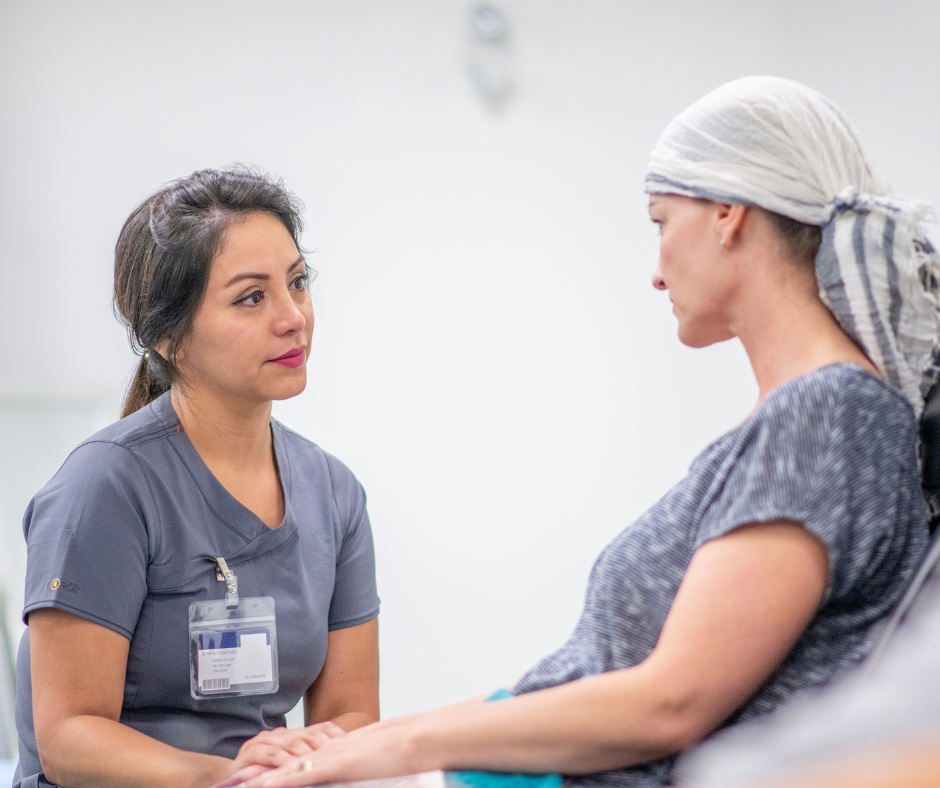

It was something to handle when my father was diagnosed with prostate cancer. I had to confront many emotions that I had learned to put in a little compartment in the back of my head. I imagine you must be reading this article because someone close to you has recently been diagnosed with cancer or you would like some help.
Either way, about three years ago I was faced with this same predicament. My father was not the type of person who would go and get his monthly medical checkups done and honestly didn't look like he had any “obvious” signs of cancer. He was an active man who enjoyed his work and loved spending time with his wife and daughter.
When his treatment started, I would be the one who would stay at the hospital, while my mother spoke to the doctors and took care of all the information that was being bombarded at us at one time. There was the part of taking care of him and the other that life would not be the same for the both of us.
Overtime I discovered some tips to cope with my father’s cancer treatment and I thought I’d share them with you, maybe this would help the process be easier:
1. It's ok to be angry: this was so important for me to understand and took me a while. There were days I wanted to scream and shout as loud as possible. You feel like you have all the responsibilities on your shoulders and the same time watch someone close to you suffer. It's ok to be angry and it's important that you vent it out. For me, writing helped, I choose to write how I felt. One of my other friends who is a cancer caregiver as well chose boxing. She explained how it helped her get all the frustration and anger out of the way so she could focus. Suppressing your emotions is not a good idea at this time as there is so much going on.
2. You are important too: Remember to take your vitamins, sleep, and follow a healthy lifestyle. Not only is this for you now, but this is also for the cancer patient you are taking care of. Getting your flu shots or making sure you are getting your regular doctor's visits is more important now. For me, it was making sure I was well rested and having a healthy diet, I had to keep in mind that if I wasn't okay, my father would not be okay.
3. Take your time to grieve: Cancer is not easy, but suppressing your grief is not a good idea. I had made the mistake of holding my tears for a long time after my father was diagnosed as I thought, it was his suffering and that my tears would not help. Over time I realized that if I carried my cloud of grief around me it would not help me focus on the more important things in life, ie spending as much time as possible with him, or just treating him like a person and not a patient. Take some time to just cry your eyes out, trust me it helps.
4. Find people in a similar situation as you: Find resources like support groups, websites, or people who are caregivers just like you. It helps cope with all of the emotions and turmoil you may be going through at this time. I was lucky enough to have my mother by my side this whole time to help me take in everything that was going on.
Always remember that you are not alone in this battle and that there are people out there who want to help you and understand the struggle, pain or even the victories that you have as a cancer caregiver and trust me together we can fight the battle much better than if we try to find the solutions by ourselves.