
I have always been interested in enzymes, membranes and other mechanisms of life. For my PhD at the University of the Republic in Montevideo I studied pulmonary surfactant, a biofilm in the lungs that allows people to breathe. But I then became very interested in advanced microscopy, which led me to do a postdoc in bioimaging at the University of California, Irvine.
My postdoc mentor, biophysicist Enrico Gratton, developed and patented the prototype of the DIVER detector, a device that can be plugged into a microscope to explore cells’ autofluorescence — light emissions that can suggest changes in cell metabolism. The detector is 650 times more sensitive than existing deep-tissue imaging technologies.
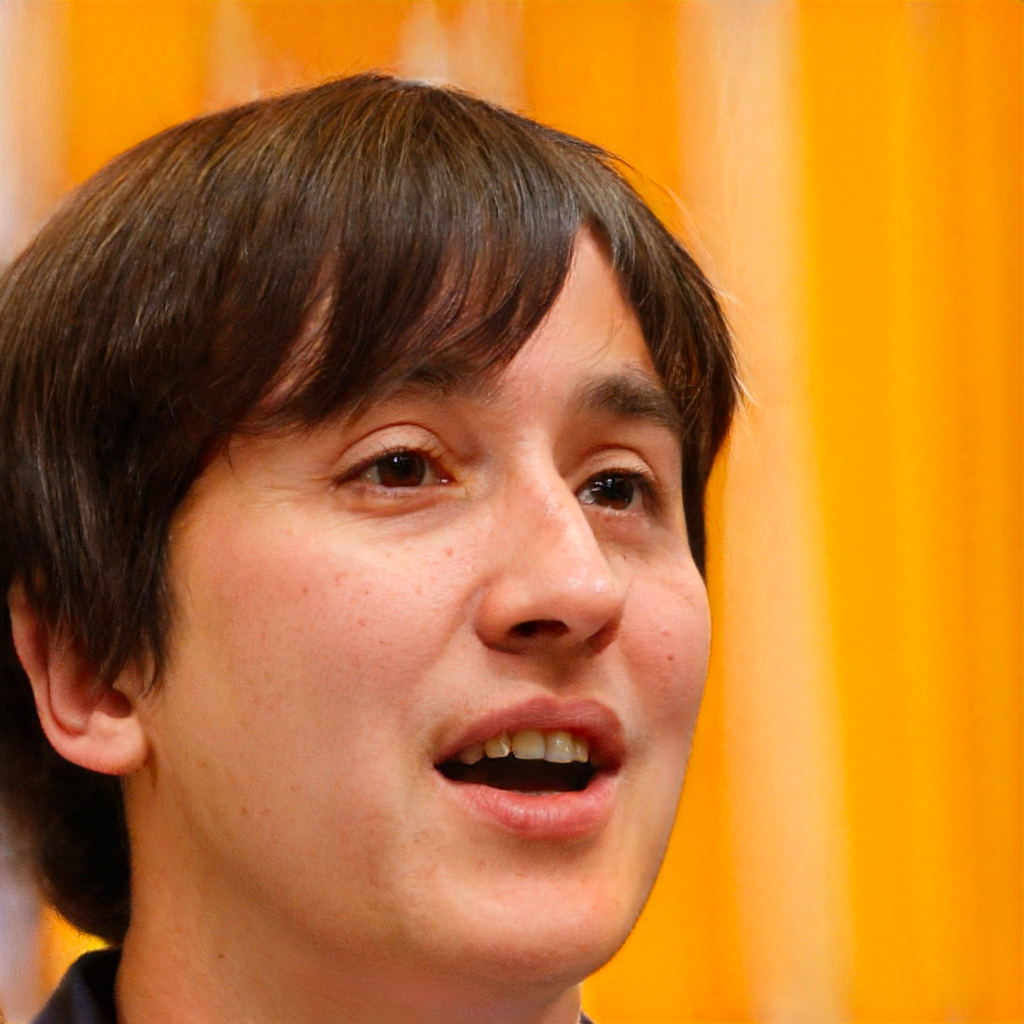
In this image, I’m aligning a DIVER detector with a microscope I’m custom-building at the Advanced Bioimaging Unit in Montevideo, a joint venture between my university and the Pasteur Institute of Montevideo. I launched the unit in 2019, when I returned here after my postdoc, and Gratton licensed the DIVER technology to us so that we could build this device. It will be ready for use in a few months.
I am wearing dark glasses to protect my eyes from the laser light I’m working with. The microscope is installed on a 600-kilogram optical table to prevent vibration.
My main goal in designing and building the device is to help users examine metabolic fingerprints, or chemical patterns, in the lung, skin, kidneys and brain, among other organs. We expect to use it mainly in cancer diagnosis and research.
There are also four DIVERs in the United States. This will be the first elsewhere and the fifth worldwide.
A big goal for my unit is to democratize advanced microscopy tools and methods. Through the collaborations we have set up, I want to share this technology across Uruguay and into our Latin America community.